


PCR Coffee Bags
PCR Coffee Bags: Turning Trash into Coffee Treasure
— Your Straight-Talking Guide to Sustainable Packaging
Picture the plastic bottle tossed in a Tokyo recycling bin last month. Today, it’s reborn as your coffee bag – no magic, just science. PCR (Post-Consumer Recycled) materials are transforming waste into premium packaging. But can it protect your precious roast? Let’s separate hype from reality.
PCR Demystified: Beyond the Recycling Symbol
PCR isn’t recycled plastic – it’s plastic with a past life:
- Sourced from used household items (bottles, containers)
- Washed, shredded, and super-cleaned
- Remade into food-safe pellets
Key Certifications
✅ FDA Compliance: Passes migration tests (no toxins leach into coffee)
✅ Global Recycled Standard (GRS): Tracks PCR content percentage
✅ EFSA Approval: Required for EU food contact
1 ton of PCR plastic = 6,000 plastic bottles diverted from oceans
The Performance Puzzle: Can Trash Beat Virgin Plastic?
The "Stale Smell" Myth
- Old problem: Foul odors from contaminated waste
- Fix: Triple-stage decontamination (steam/chemical/vacuum)
- Result: 2023 PCR pellets smell cleaner than some virgin plastics
Strength Struggle
- Weakness: Recycled plastic chains get damaged
- Innovation: Polymer rebuilding additives (like "vitamins for plastic")
- Proof: Tear resistance now matches virgin plastic at 8N/15mm
Color Limitations
- Reality: PCR pellets come grayish (mixed waste colors)
- Workaround:
- Embrace "eco-charcoal" aesthetic
- Use PCR as middle layer (hidden between virgin outer/inner)
Carbon Math: Why PCR Wins on Emissions
Producing 10,000 coffee bags:
| Impact | Virgin Plastic | 50% PCR Blend |
| CO₂ Emissions | 480 kg | 290 kg |
| Water Usage | 15,000 L | 4,500 L |
| Energy Consumption | 900 kWh | 540 kWh |
Translation: Switching to PCR cuts your bag’s carbon footprint by 40% – like taking 12 cars off the road yearly per ton used.
Cost Breakdown: Green Premium vs. Long-Term Gain
| Cost Factor | Virgin PP Bag | 50% PCR Bag |
| Materials | $0.038 | $0.051 |
| Production | $0.012 | $0.015 |
| Total Per Bag | $0.050 | $0.066 |
Hidden Savings
- 34% consumers pay 15-20% premium for PCR-packed coffee
- Qualify for carbon credits ($8-15/ton CO₂ saved)
- Avoid EU plastic taxes (€800/ton virgin plastic penalty)
Real-World Success: Tokyo Roasters Case Study
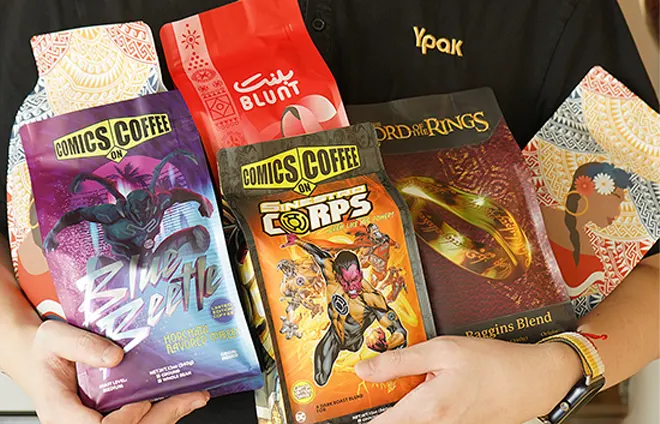
Challenge
Premium brand needing eco-packaging without sacrificing luxury feel.
Solution
- Outer: 30% PCR layer (visual "speckled" effect)
- Middle: Virgin aluminum barrier
- Inner: 100% PCR food-safe layer
Results
- 42% sales boost from eco-positioning
- 28% lower carbon tax bill
- Zero quality complaints in 18 months
The Recycling Loop You Control
PCR bags supercharge circularity:
- Diagram
- Code
Design bags for re-recyclability
- Avoid dark colors (hard to detect in sorting)
- Limit ink coverage to <40%
- Use water-based adhesives
Future-Proof Your Packaging
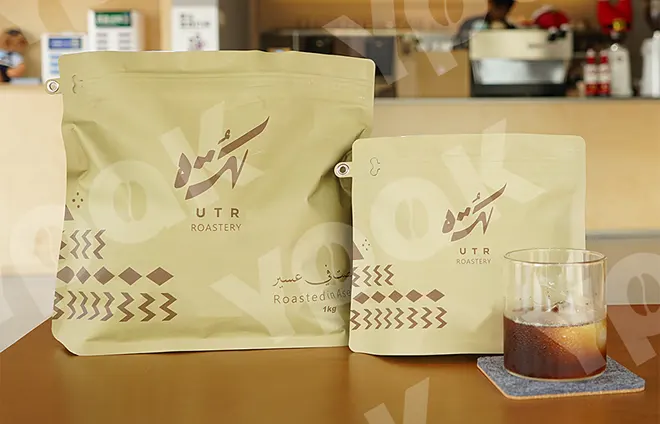
Blockchain Tracking
Scan QR code → See your bag’s journey:
“I was 6 shampoo bottles in Osaka → PCR pellets → Your coffee hero”
Ocean-Bound PCR
Support coastal plastic collection:
- Costs 8% more than regular PCR
- Marketable “Ocean Rescue” story
Chemical Recycling Boost
2025 tech will upgrade PCR purity to 99.9% – matching virgin plastic.
Waste Is Just Raw Material in Disguise
PCR coffee bags aren’t about sacrifice – they’re about smarter creation. As Brazilian roaster Carlos Santos proves:
“Our customers taste quality coffee first,
then discover they’re sipping sustainability.”
Start practical:
- Test 30% PCR content for starter batches
- Print the backstory on bags (“I contain 8 recycled bottles!”)
- Partner with recyclers for closed-loop systems
Make your coffee bag’s past its strongest selling point.
Build your bag and get a quote
Build your bag and get a quote